Energy-saving permanent magnetic stirrer

  • Energy-saving permanent magnetic stirrer
  • video
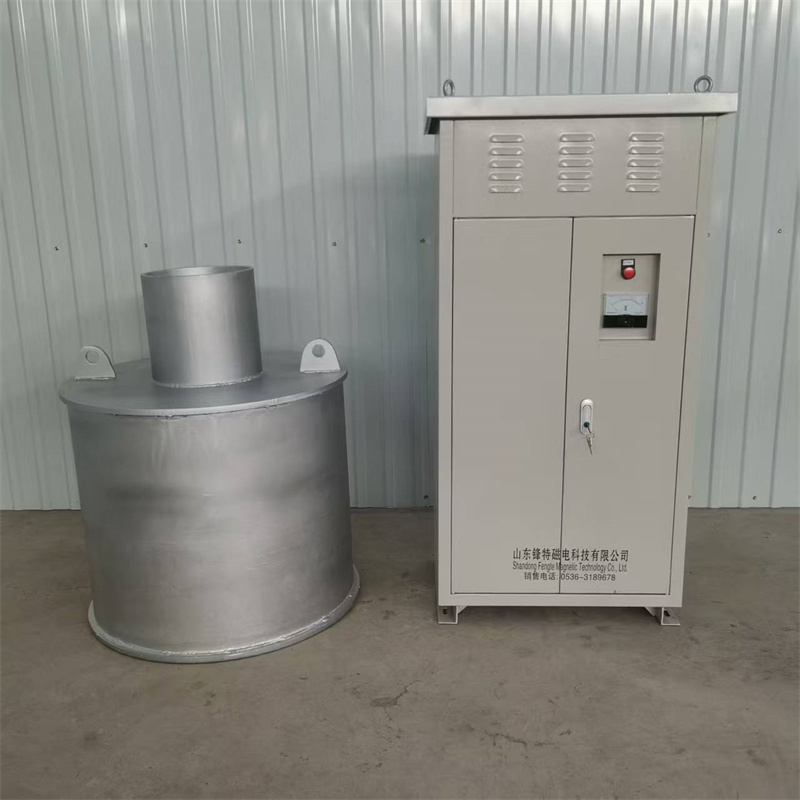
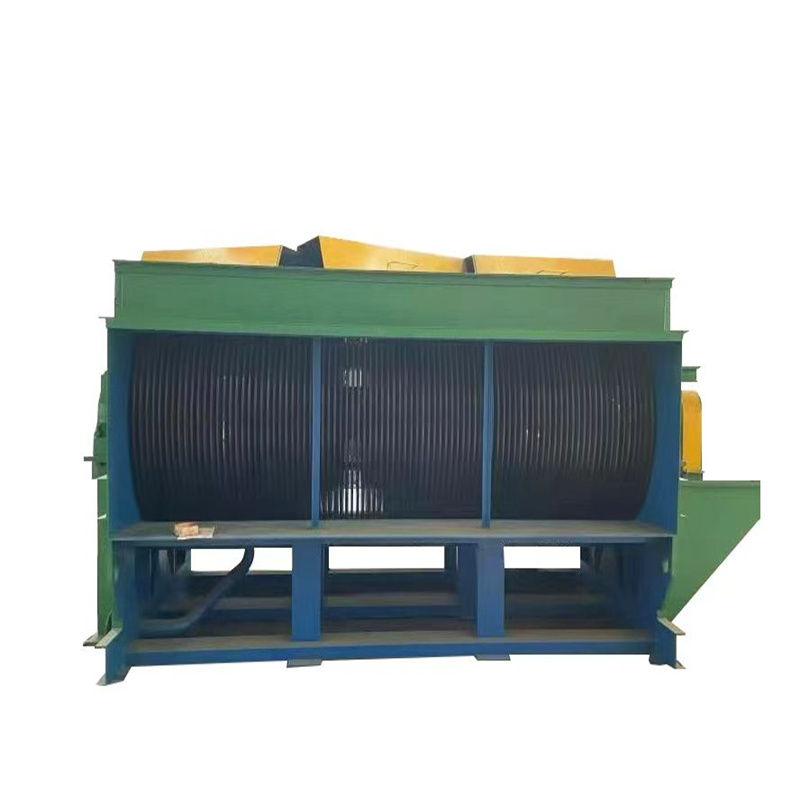
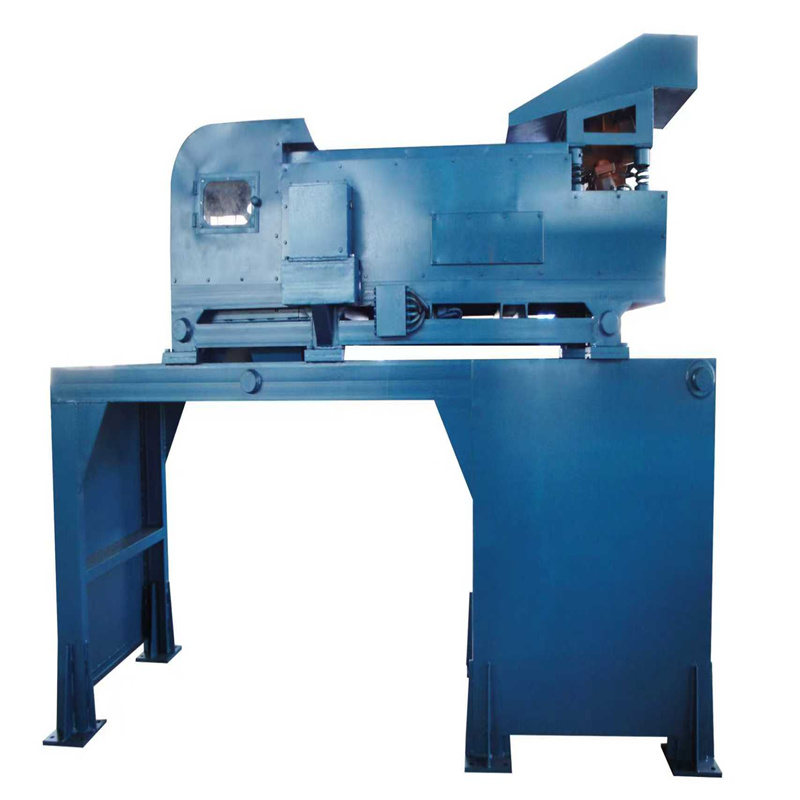
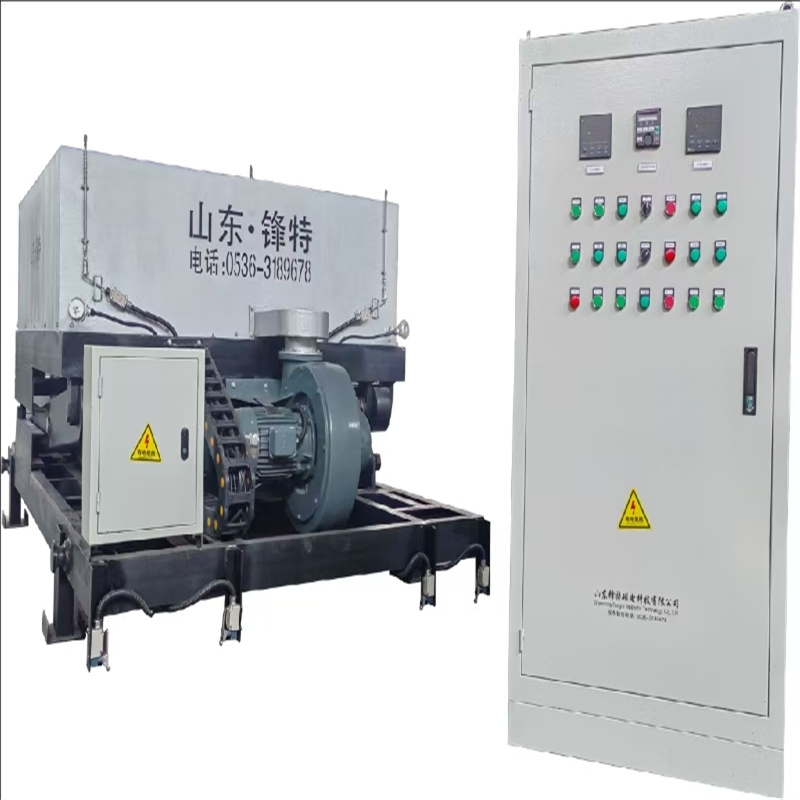
    Energy-saving permanent magnetic stirrer is a special sensor composed of high remanence and high coercive force strong magnetic NdFeB, which uses mechanical transmission and advanced control system to achieve non-contact stirring of metal smelting. It can fully adjust the uniformity of alloy composition, reduce burning loss and lower energy consumption.

    Performance and Characteristics

    1. Utilizing an innovative magnetic circuit design, high-performance magnetic steel is specially treated for high-temperature resistance, oxidation resistance, and a long service life.

    2. Features include variable frequency stirring, forward and reverse stirring, travel, lifting, over-temperature alarm, and shutdown protection.

    3. It utilizes alternating forward and reverse rotation with adjustable speed and time, resulting in excellent melt vortexing and a stirring depth of 100-700mm.

    4. Simple structure, low power consumption, low operating costs, high reliability, and easy maintenance.

    5. Equipped with a comprehensive air cooling system, the operating temperature can be controlled below 65°C.

    6. High efficiency, continuous operation, and circulation stirring for multiple furnaces and long distances.

    7. Shortens melting time, improves production efficiency by 20-50%, and reduces energy consumption by 10-30%.

    Working Principle:

     A bottom-mounted permanent magnetic agitator utilizes a specially designed permanent magnet inductor. It acts like a motor with a large air gap and a permanent magnet magnetic field. The magnetic inductor is the motor's stator, and the nonferrous metal solution is the motor's rotor. Through mechanical rotation, the magnetic field interacts with the nonferrous metal melt in the molten pool, generating an induced potential and an induced current. This induced current, in turn, interacts with the magnetic field to generate an electromagnetic force, which propels the solution in a directional motion and achieves stirring. It consists of a main drive system, a frame assembly, an inductor assembly, a cooling system, a travel mechanism, a lifting mechanism, and a control system.

    Equipment Process Parameters

    Energy-saving and environmentally friendly bottom-mounted permanent magnetic stirrers are used for stirring various alloys and high-purity aluminum during smelting. However, the stirring process used varies depending on the application. The following stirring parameters are for melting aluminum ingots to prepare aluminum alloys (or high-purity aluminum). Stirring can begin when the ingot is more than halfway melted (two furnaces can alternate stirring, with each stirring period lasting 30 minutes to 1 hour) until stirring is no longer required. The stirring process alternates between forward and reverse directions, with a reversal cycle of 5-15 minutes. Stirring resumes after a 30-second or 1-minute pause. The desired stirring intensity should be set to produce visible ripples on the surface without damaging the oxide layer. This further reduces burnout and oxidation while still achieving the desired stirring effect. Specific instructions can also be found in the instruction manual.

    Main technical parameters


    型号
    (Model )
    FTJB·5YFTJB·10YFTJB·20YFTJB·30YFTJB·40YFTJB·50
    外形尺寸
    ppearance
    Size(mm)
    A270028003000320060006000
    B130014001600180019002000
    C145014501500150015001500
    不锈钢宽度
    >(mm)D
    Width of Stainless
    Steel
    150016001800200020502150
    高度行程(mm)
    ≤E
    Adjustabie Height
    350350450450450450
    拌电机]        kw)
    Stirrin
    P
    151522223737
    适用苑
    Sco    of
    Arrangement
    2-55-1515-2525-3535-4545-55
    磁场交      (HZ)
    Changing  Rela of
    Magnetic Field
    0-60-60-60-60-60-6
    质量(kg)
    Weight
    37004500520055001050010500


    • How to remove iron from molten aluminum?

      Working Principle and Applications of High-Temperature Iron Removers: In the aluminum alloy smelting industry, particularly in the recycling and melting of aluminum, recycled aluminum products are melted in furnaces. Under high temperatures, these aluminum products liquefy into molten aluminum. However, iron-containing magnetic materials present in the scrap aluminum also melt, significantly increasing the iron content in the molten aluminum and leading to substandard products. To address these issues, our company has introduced high-temperature iron removers that can be immersed into aluminum melting furnaces to extract ferromagnetic objects. This solution effectively resolves the problem of excessive iron content in finished products caused by insufficient removal of magnetic materials during the initial stages of sorting.

    • What products does your company produce?

      Our company is a professional technology enterprise specializing in the research, development, production, and sales of magnetic equipment. We help customers solve the challenges of iron removal and recovery in various environments. Our products include iron removers, magnetic separators, and magnetic agitators. We have achieved remarkable success in numerous fields, including mining, food processing, non-mining impurity removal, non-ferrous smelting, magnetic conveying, power and building materials, coal mining, and docks. We also provide supporting services for numerous large-scale magnetic equipment and are committed to becoming your most trusted long-term partner.

    • How does a permanent magnetic stirrer work? What are its advantages?

      Permanent magnetic stirring utilizes the magnetic field generated by permanent magnets to achieve contactless stirring of non-ferrous metal liquids. Permanent magnetic stirrers are based on the principle of asynchronous motors. They are analogous to a motor with a large air gap and a permanent magnet magnetic field. The magnetic inductor acts as the motor's stator, and the non-ferrous metal solution acts as the rotor. The interaction between the magnetic field and the non-ferrous metal liquid in the melt pool generates an induced potential and an induced current. This induced current, in turn, interacts with the magnetic field to generate an electromagnetic force, which propels the non-ferrous metal liquid in a directional motion, thus stirring it. The stirring speed and interval can be adjusted to suit the specific non-ferrous metal liquid. By alternating forward and reverse rotations, the non-ferrous metal liquid is stirred, generating eddy currents and turbulence, achieving a fully uniform stirring effect. Because the magnetic field of a permanent magnetic stirrer is derived from a permanent magnet, it is a very energy-efficient stirring method, with operating costs as low as one-tenth that of an electromagnetic stirrer.

    • How does a magnetic stirrer work? What is its function?

      The magnetic stirrer uses a magnetic field that penetrates the furnace bottom and insulation material, acting on the liquid metal and stirring it non-contact. This helps to achieve uniform alloy composition, reduce burnout, lower energy consumption, accelerate melting, and eliminate temperature differences.

    • What is the working principle of AC/DC electromagnetic stirring device?

      An AC/DC electromagnetic stirring device uses the principle of electromagnetic induction to generate a magnetic field that acts on molten aluminum, causing it to move in a regular pattern. The electromagnetic stirring device primarily consists of a variable-frequency power supply and an inductor. The variable-frequency power supply converts 50/60Hz AC power into a two-phase or three-phase low-frequency power supply with a frequency of 0.8 to 3.5Hz. This power supply then passes a low-frequency current through the inductor, the main component of the electromagnetic stirring device, to create an alternating traveling-wave magnetic field. This traveling-wave magnetic field penetrates the stainless steel plate and lining at the furnace bottom and acts on the molten aluminum. The magnetic field induces an induced potential and current in the molten aluminum. This induced current interacts with the magnetic field to generate an electromagnetic force, causing the molten aluminum to move in a regular pattern, achieving the desired stirring effect. By varying the direction and intensity of the traveling-wave magnetic field, the stirring direction and intensity of the molten aluminum can be effectively adjusted.

    • How does a DC mixer work?

      The DC electromagnetic stirrer, located at the bottom of the furnace, utilizes a two-stage DC inductor. A motor drives the coil to achieve stirring. This non-contact stirring prevents contamination of the alloy solution. Under the influence of magnetic force, the upper solution fills the lower solution, creating vertical convection and stirring. This minimizes the temperature difference between the upper and lower parts of the alloy, reduces burnout, and ensures uniform alloying.

    Get the latest price? We will reply as soon as possible (within 12 hours)